Leisure in Africa: Attention to Nigeria

Leisure in Africa: Attention to Nigeria

08/25/2026 - 14:03

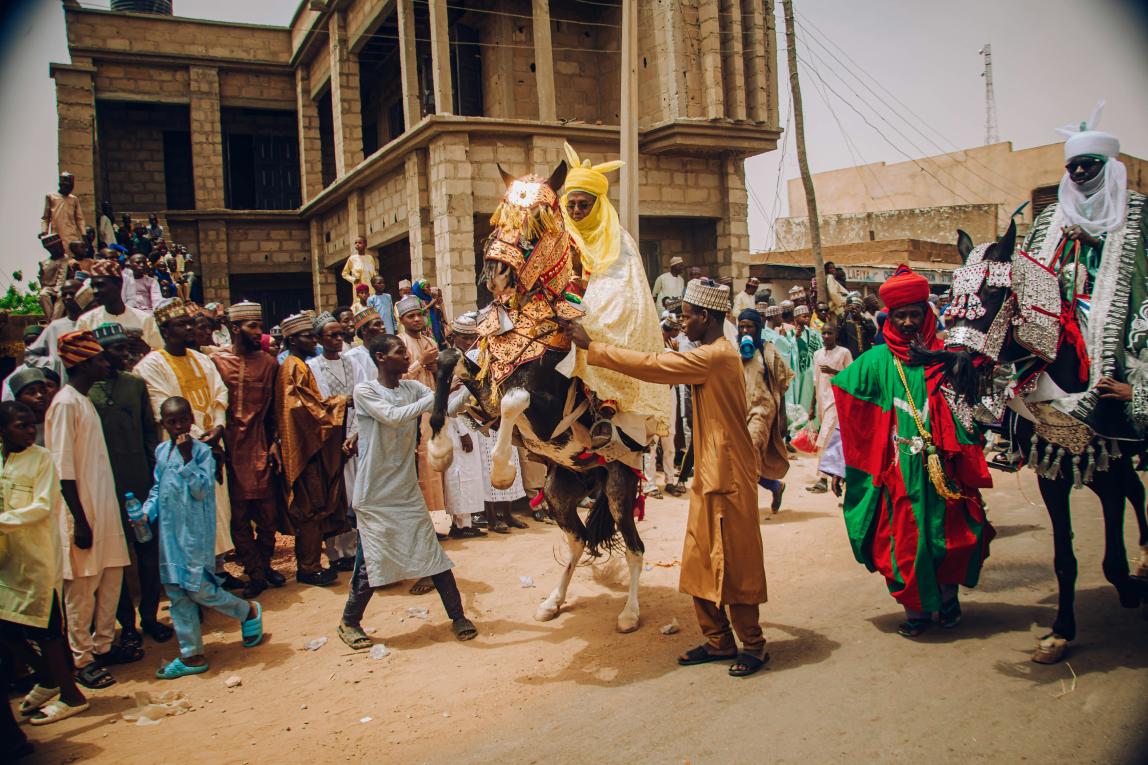
Leisure in traditional African society was predominantly communal, active, and deeply integrated with work and ritual, encompassing dancing, storytelling, wrestling, board games, and communal festivals. Across most of Africa, leisure is far more than a footnote to social life; it is a dimension that draws all segments of society together. Woven into the social fabric, leisure in Africa follows discernible patterns shaped by demographics, geography and cultural tradition. Depending on one's location, leisure can reflect the interplay of tradition and modernity, from festivals and family celebrations to sports and outdoor adventures. Social gatherings are typically characterised by visible cheerfulness, and the sounds of merriment are a hallmark of communal events across the continent.
Leisure & Events
  • Uncover

This article was written for Uncover magazine – From Global to Ground (10th edition). You can read the full magazine here. 

Author: Prof. Dr. Lawal Marafa works for the Department of Geography and Resource Management at the Chinese University of Hong Kong.

Understanding leisure in West Africa, and Nigeria in particular, requires a perspective that transcends conventional boundaries. Leisure and enjoyment are rarely solitary pursuits; the concept of having fun alone is largely unfamiliar to most Nigerians, who view leisure as an inherently communal experience in which people of all ages participate. It is, at its core, a collective endeavour, one in which entire families take part together. While participation tends to be broad and inclusive, an observable age hierarchy nonetheless influences the nature and form of leisure activities.

Beyond age, there is considerable diversity in how different regions and ethnic groups approach leisure. With globalisation, decolonisation, rising incomes, and the recent advent of digitalisation, everyday life and patterns of consumption across Africa have evolved, and leisure is no exception. Urbanisation has further accelerated this shift, modifying how leisure, recreation and tourism are experienced. 

Regional differences
It is important to note that Africa is not a monolith. Leisure practices vary significantly by region, country, and even within a given country. This discussion focuses on Sub-Saharan Africa and, more specifically, Nigeria. In the Eastern part of the country, traditional activities such as wrestling and cultural dances remain prominent, drawing the wider community together. The Northern region tends towards a more conservative entertainment landscape, with notable gender segregation at leisure events. The Southwest is generally regarded as more cosmopolitan, dominated by Lagos, Nigeria's ultimate megacity, renowned for its events, nightlife, and eclectic entertainment offerings. The Southeast, predominantly riverine in character, is shaped by its waterways, with aquatic and waterside activities forming the core of its recreation and leisure culture.

Nigeria, Africa's most populous country and arguably its largest economy, is home to a young and dynamic population that is increasingly embracing a wide range of leisure activities. With an urbanisation rate of nearly 4% per annum, there exists a marked disparity between leisure in urban and rural settings. Urban centres such as Lagos, Abuja, Port Harcourt, Kano, and Ibadan are witnessing a surge in leisure infrastructure, including amusement parks, resorts, art galleries, and cinemas, reflecting broader trends towards modernity. Fundamentally, leisure ought to serve as a source of relaxation for both the body and the mind, and the evolving Nigerian conception of leisure has seen a meaningful shift in how time, space, and material resources are valued in its pursuit.

In recent years, Nigeria's leisure and recreation industry has undergone a remarkable transformation. As the nation's middle class expands and disposable incomes rise, there has been a notable shift towards leisure, not merely as a form of relaxation, but as a driver of economic growth. The burgeoning industry now encompasses hospitality, sports, cultural festivals, and nature retreats, attracting both local and international audiences. This evolution is further reinforced by Nigeria's vibrant event culture: annual festivals such as the Calabar Carnival and the Lagos International Jazz Festival draw thousands of visitors and contribute significantly to the economy, while music concerts, comedy shows, and art exhibitions have become central pillars of Nigeria's cultural and entertainment fabric. 

Enabling the SDGs
Leisure plays a significant enabling role in advancing the SDGs. Across Africa, communal and culturally embedded leisure practices contribute to SDG 3 by supporting physical health, mental well-being, and social cohesion, while shared leisure gatherings also reflect the values of SDG 16 by fostering peaceful and inclusive communities. The intergenerational and inclusive nature of Nigerian leisure aligns with SDG 10 on reducing inequalities, while the growing digitalisation of leisure connects to SDG 9 through inclusive innovation and resilient infrastructure. At the same time, expanding participation underscores the importance of SDG 5 on gender equality, and leisure activities in both urban and rural contexts contribute to the preservation of cultural resources and heritage central to SDG 11.

WLO engaging Africa
Africa already features on the WLO map through initiatives in Southern Africa. With its large population and growing middle class, the continent is poised for deeper engagement, including expanded membership, stronger institutional affiliations, and greater participation in WLO events, networks and commissions.

Photography
Constantine D