The Limestone Tapestry: Olive oil and the eco-cultural landscape of the Serras d’Aire e Candeeiros in Portugal
08/25/2026 - 14:49

- Uncover
Authors: Luís Santos in co-creation with Luís Melo. Luís Santos is a biologist, professor and researcher at the Polytechnic University of Tomar, lead partner of the KreativEU alliance, and Luís Melo is a local historian and the President of the Association for the Promotion of Olive Groves and Olive Oil in Aire and Candeeiros (Portugal).
Intangible cultural heritage of humanity
Since ancient times, olive trees and olive oil have been integral to the identity of the Serra d'Aire e Candeeiros region, featuring in its economy, history, architecture, landscape, health and well-being, gastronomy, arts and crafts, beliefs, ethnography, music and literature. In fact, the practice of olive oil production defines the ecocultural identity of this mountain range as it is inextricably linked to the art of dry-stone masonry.
Olive groves, for instance, are inseparable from the vast network of muros (walls) built without mortar to regulate microclimates and prevent soil erosion. Recognised as intangible cultural heritage of humanity, this technique resembles a tapestry when viewed from above. It is a masterpiece of human ingenuity in managing a harsh environment, as well as an example of traditional ecological knowledge.
Additionally, olive cultivation and the grazing of local sheep and goat breeds share a long-standing symbiotic relationship, rooted in an ancestral transhumance practice whereby livestock would roam to the coastal plains in summer. There, the animals cleared the groves of flammable material while providing natural fertilisation, creating a distinctive landscape aesthetic and a circular economy that underpins the region’s Mediterranean diet.
The region’s commitment to traditional production methods is further reinforced by its status as part of the Serra d’Aire e Candeeiros Natural Park, established in 1979 to protect its subterranean water resources and palaeontological heritage – including the Jurassic dinosaur footprints for which the area is renowned. As a protected area, both environmental considerations and the challenging terrain discourage intensive agricultural production.
The Liquid Gold project
As a native of the region, Luís Melo has a deep personal connection to it. When invited by municipal executives to coordinate the Liquid Gold project in 2023, he took on the challenge, working to promote the olive cluster with the precise aim of stabilising local populations and fostering balanced regional development. The participatory process that followed, engaging olive growers and other stakeholders, led to the establishment of APOAC – the Association for the Promotion of Olive Groves and Olive Oil in Aire and Candeeiros – in 2024.
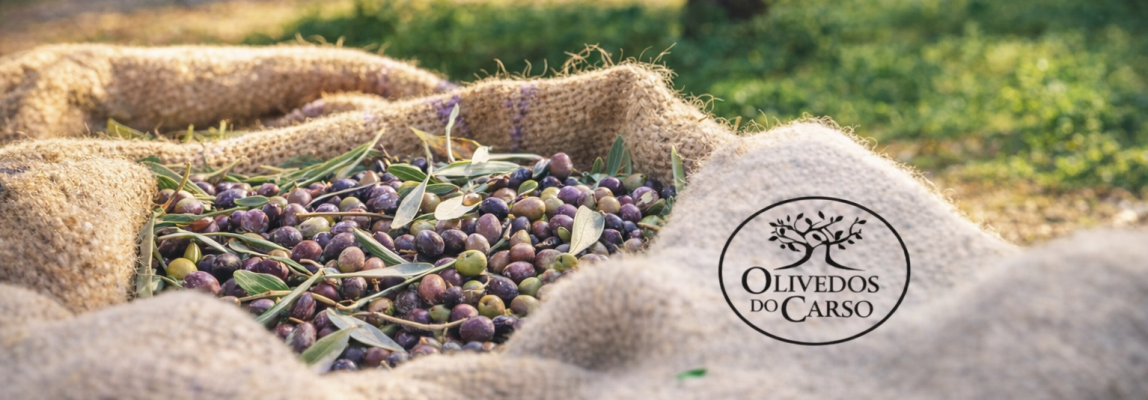
Wholeheartedly embracing this cause, Luís Melo has been actively involved in developing an ongoing collective strategy to enhance the value of the region’s traditional olive groves. This encompasses raising awareness of the unique characteristics of the Aire and Candeeiros terroirs, their native varieties and extra virgin olive oil profiles, managing the ‘Olivedos do Carso’ collective brand, promoting technical olive oil tastings, and supporting producers in accessing new and more demanding markets.
Luís Melo’s connection with this region is also evident in his role as the person responsible for inventorying the intangible heritage and classifying the olive grove landscape of Serra de Santo António, at Aire and Candeeiros Natural Park.
Olive oil’s relevance to the region, the country and Europe
Despite the general abandonment of traditional olive groves in Portugal and in this region, part of the mountain landscape remains well cared for and alive, as it continues to be useful and economically sustainable for landowners given olive oil’s relevance to the region, to the country and to Europe. In the specific case of Serras d’Aire e Candeeiros, their olive oil has considerable market value as it is a biocultural product, with a chemical profile directly influenced by the limestone geology and the physiological water stress of the trees.
Moreover, olive oil enjoys a good reputation for being a healthy vegetable fat, which makes it a central element of the Mediterranean diet. Additionally, and despite no longer being an exclusively Southern European product, it remains deeply rooted in European identity and is one of the EU’s major exports. In a different context, it is also worth noting that its production leads to social cohesion as it generates employment in sparsely populated areas, thus preventing their total abandonment.
Ultimately, and as already mentioned, it is a cherished product due to the environmentally friendly character of its traditional production practices when compared with intensive plantations or other agricultural products. However, the continuity of traditional practices in olive oil production requires safeguarding and enhancement strategies that reinforce their economic and environmental sustainability in the short and medium term. Safeguarding this rural landscape means recognising its ecological, cultural and productive value, not only as a heritage of the past, but as an active resource for the future.
Combining local expertise with academic knowledge
This is where academia can have a say, considering that the combination of academic expertise with that of local stakeholders can be beneficial to both. A case in point is the Highlands.3 project, in which the Polytechnic University of Tomar was an active participant in analysing several sustainability initiatives in Serra d’Aire e Candeeiros, including the combination of tourism with the conservation of the olive oil production cycle.
With that in mind, KreativEU presents itself as an excellent opportunity to develop projects in this domain given that this alliance includes Mediterranean and Near East members which share a deep and ancestral identitarian bond with the olive tree, namely the University of Camerino (Italy) and Adana Alparslan Türkeş Science and Technology University (Turkey). The Marche region, where Camerino is located, is also known for its high-quality and high-mountain olive oil. As for Adana, located in the Mediterranean region of Turkey, the olive tree is embedded in its identity as it is a major production centre of olive oil since time immemorial.
Preserving a distinctive European ecocultural landscape
All of this points to promising possibilities for cooperation. This is even more evident when you consider that all three regions have been involved in olive oil tourism initiatives. These features will certainly be considered in the EcoCultural Identity Mapping that is being done within the KreativEU alliance, one of its major outputs.
Overall, initiatives such as the ones described, as well as others that could be developed within KreativEU, are essential for preserving distinctive European ecocultural landscapes. The long-term viability of these biocultural landscapes hinges on integrating traditional ecological knowledge with contemporary conservation strategies, thereby transforming those who work the land into crucial land stewards rather than solely food producers.