Building leisure pathways for a better society with the World Leisure Chinese Taipei Chapter

Building leisure pathways for a better society with the World Leisure Chinese Taipei Chapter

08/25/2026 - 13:45

Across Taiwan, the concept of leisure is undergoing a profound transformation. It is no longer viewed merely as passive free time, but rather as a vital catalyst for human flourishing and the sustainable development of our society. As the region navigates rapid urbanisation, the transition into a super-aged society, and increasing climate-related risks, the rhythms of daily life are fundamentally changing. Consequently, the demand for inclusive spaces, community recreation, and meaningful outdoor experiences has never been more urgent.
Leisure & Events
  • Uncover

This article was written for Uncover magazine – From Global to Ground (10th edition). You can read the full magazine here. 

Authors: Su-Hsin Jasmine Lee is Professor at the Department of Geography, National Taiwan Normal University and President of the WLO Chinese Taipei Chapter. Yu-Lan Yuan is Secretary General of WLO Chinese Taipei Chapter.

Chinese Taipei Chapter
Stepping up to address these complex societal shifts, the World Leisure Organization Chinese Taipei Chapter (WLO-TC) has developed collaborative platforms, organised seminars in communities that successfully bridge the gap between academic institutions, local communities, public policy-makers, and industry leaders. Members have been encouraged to actively participate in WLO conferences around the world to exchange ideas with WLO members. Publishing articles in World Leisure Journal to share Taiwan's experiences and achievements in promoting leisure activities. The current agenda focuses on ‘Active Living for All,’ aiming to integrate meaningful leisure experiences seamlessly into everyday routines. Our vision: “Leisure is no longer just about sport nor entertainment; it has evolved into a critical social intervention that seamlessly connects public health, environmental sustainability, and the fabric of community life to foster truly liveable and loveable cities.”

Reimagining sport and leisure for a sustainable future
To translate this vision into action, WLO-TC is launching a comprehensive, dual-pronged initiative in 2026 that directly addresses the United Nations Sustainable Development Goals (SDGs), particularly concerning good health and well-being (SDG 3) and sustainable cities and communities (SDG 11). This project aligns perfectly with our vision and goes beyond simply providing recreational activities; it emphasises leisure as a social intervention to build more resilient, liveable, and loveable environments. 

At the grassroots level, the Revitalising Sport and Leisure Forum, hosted alongside Fu Jen Catholic University in May 2026, places a dedicated focus on youth empowerment and community cohesion. By actively showcasing student research, facilitating work placements, and promoting collaborative regional projects, the event empowers emerging young professionals to shape the future of sustainable sport and tourism. 

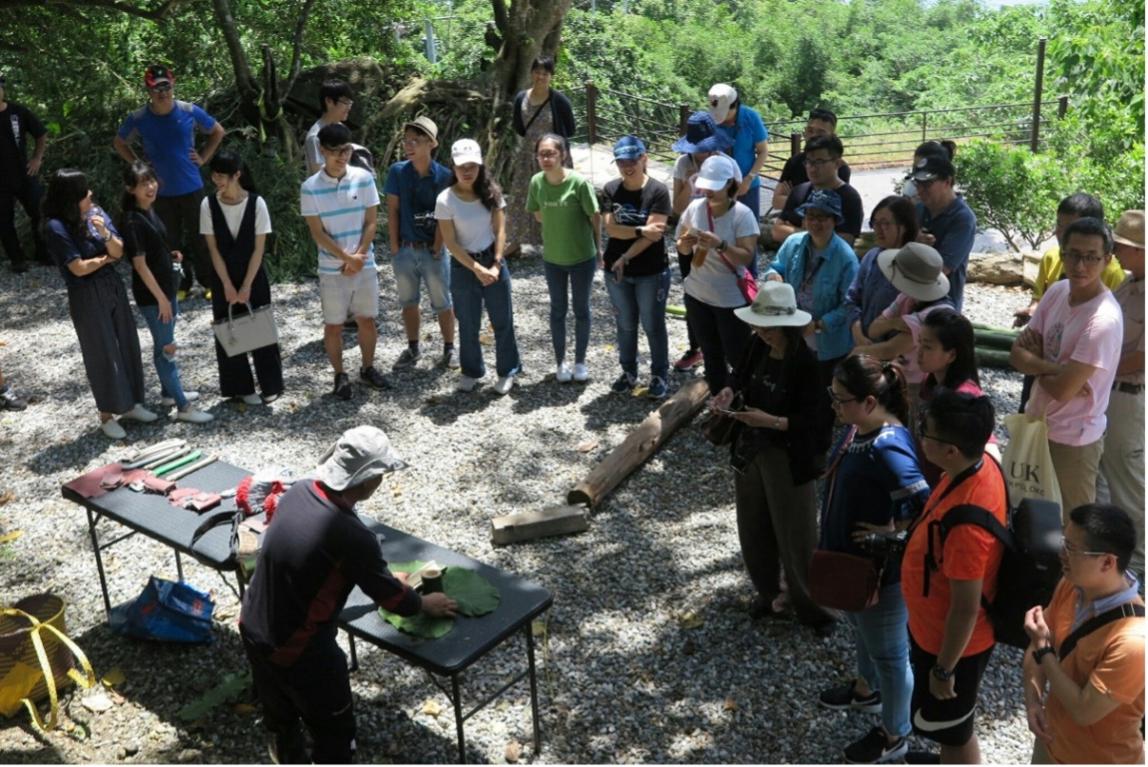
Scaling these localised efforts to a national level, WLO-TC actively collaborate with the Taiwan Ministry of Sports to host the Green Active Living: Towards a Smart and Sustainable Future international conference in November 2026, co-organised with Tunghai University, champions the philosophy of climate-resilient environments. The conference involves 45 related associations and societies, 400 representatives from academia, government organisations and industries. Moving beyond traditional competitive sports, the conference expands its concern to how people of different ages, abilities and lifestyles can identify appropriate forms of physical activity within their familiar living contexts. The forum issues include sport and health, forest therapy, outdoor recreation and adventure, sport tourism, and industry paradigm. Crucially, this perspective emphasises the intrinsic value of the leisure environment itself. Parks, urban forests, and coastlines serve a dual purpose: they are recreational hubs and vital public infrastructures that foster social connection. To ensure these concepts translate into tangible reality, the initiative features experiential learning components, effectively moving ideas from academic dialogue into real-world practice. As the president of WLO-TC states: 

“Human flourishing is shaped not only by individual choices but by having accessible, regenerative environments that naturally encourage people to stay active.”

The value of the connection with WLO
These regional efforts do much more than address local Taiwanese challenges; they contribute directly to the World Leisure Organization’s core mission of utilising leisure for a better society. Taiwan’s rich experiences - successfully blending regenerative outdoor recreation, proactive health promotion, and community-driven youth engagement - offer a valuable and adaptable model for other regions navigating similar demographic and sustainability transitions.

As the World Leisure Organization brings together global voices to address pressing societal issues through the lens of leisure, the Chinese Taipei Chapter effectively bridges local innovation with this global dialogue. This exchange ensures that delivering meaningful leisure experiences and impactful social interventions remains a universally vital pathway towards true human flourishing and the creation of more liveable and loveable cities worldwide.